
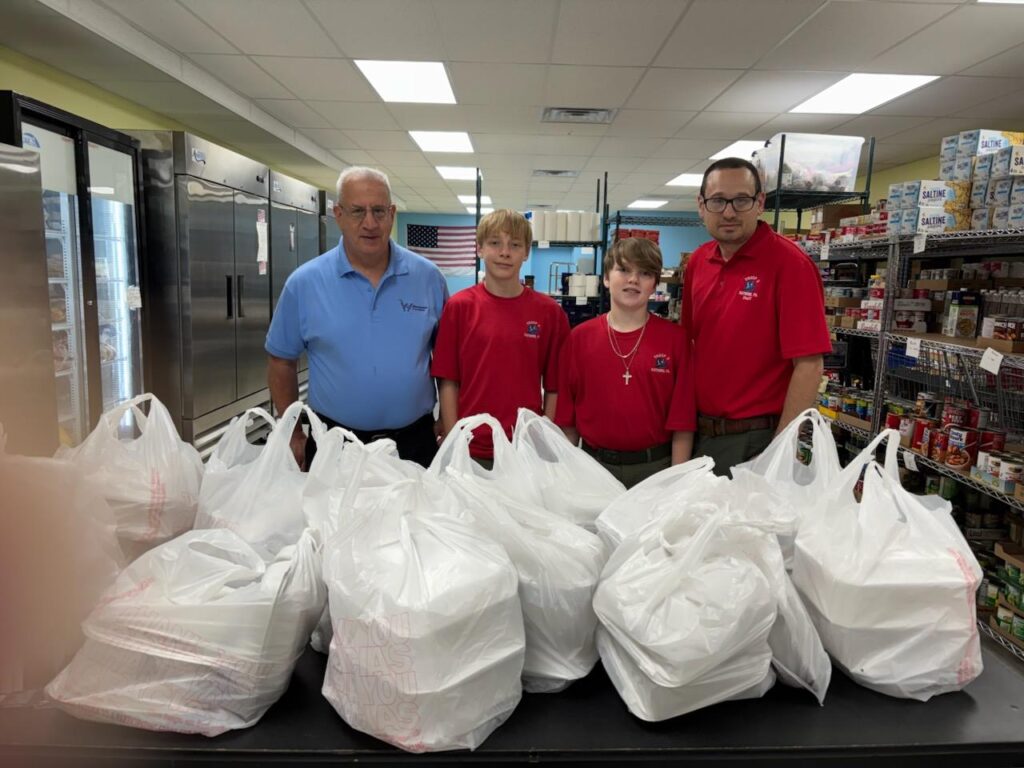
Many people picture food banks as warehouses in city neighborhoods, but they are a crucial resource for thousands of low-income families experiencing food insecurity in suburban areas as well. In 2025, rising grocery costs, reductions in federal nutrition programs, and uncertain job markets have pushed more suburban households to seek food assistance programs. These organizations provide vital support when paychecks fall short and government help is limited.
These local centers offer more than just groceries. They bridge the gap for families living paycheck to paycheck, especially when federal nutrition programs are reduced or cut. As the need for food assistance grows, these community resources have quietly become an anchor for many facing food insecurity in suburban communities. This post explains how these organizations work, why demand is rising, and what it means for the families who depend on them.
Unique Challenges Facing Suburban Families
When most people think about hunger, they often picture urban neighborhoods or remote rural areas. However, food insecurity also affects suburban families, who face their own distinct set of challenges. These obstacles frequently go unnoticed by neighbors and policymakers alike, making hunger and food insecurity in suburban communities a quiet but serious problem.

Photo by Pavel Danilyuk
Misconceptions About Suburban Hunger
A persistent misconception is that everyone living outside urban centers or rural areas is financially comfortable. In reality, rising food costs and declining benefits impact many low-income households in suburban settings. Financial struggles related to housing, employment, or medical expenses often remain hidden, so neighbors might never realize someone nearby is skipping meals to manage rent or bills.
Suburban neighborhoods can mask poverty effectively. While homes appear well-kept, families inside may be cutting back on groceries or relying on low-cost, less nutritious food options common in local food deserts. Unlike urban environments, suburbs lack visible signs—such as long food pantry lines or shelters—that signal food insecurity, creating an illusion of stability even as the need grows.
The Impact of Rising Living Expenses
Across the board, grocery prices have soared, but other living costs like housing, transportation, childcare, and healthcare are also increasing in suburban areas. Most households already face high rents or mortgages. When food prices rise, there often isn’t enough left over in the monthly budget. Even families with two incomes must sometimes choose between filling the pantry and making mortgage payments.
Here’s a quick overview of how these expenses tighten suburban budgets:
Expense CategoryTypical Monthly CostYearly Change (2024-2025)Housing$2,000++6%Groceries$700–$1,200+9%Transportation$600++8%Childcare$850++5%
Source: Map the Meal Gap 2025, Feeding America
Limited Access to Food and Transportation
Unlike urban areas with extensive public transit systems, most suburban neighborhoods lack reliable options for getting around. This creates a significant barrier to access to food for families without vehicles or with broken-down cars. Food acquisition becomes a challenge, especially when food pantries or grocery stores are located miles away.
- Many food pantries operate only during limited hours.
- Sidewalks and bike paths often don’t connect residential areas to essential food access points.
- The absence of evening or weekend transit options makes it difficult for working parents to secure nutritious food.
Scarce Food Assistance Resources
Sprawling suburban communities have fewer food assistance centers compared to dense urban locations. Some towns may rely on just one or two food pantries to serve hundreds of families. Long distances, limited operational hours, and infrequent distribution events mean that support is thinly stretched.
This scarcity results in longer wait times, reduced food variety, and heightened frustration among those seeking help. In contrast, many urban neighborhoods offer more accessible food banks and community organizations within walking distance and on regular schedules.
Stigma and Hesitance to Seek Help
Asking for assistance can be difficult anywhere, but in suburbs, the fear of judgment is especially acute. Many low-income families worry about neighbors’ perceptions or are uncomfortable being seen at a local pantry. Even when struggling, households often opt to “tough it out” rather than access public aid.
Several factors contribute to this stigma:
- Many families have no prior experience with social services and don’t know where to start.
- Food pantries may feel impersonal or unwelcoming.
- Privacy concerns are high in close-knit communities.
- Language and cultural differences can prevent some families from reaching out.
The Hidden Nature of Food Insecurity in Suburban Life
Food insecurity in suburban areas is often invisible. Families may hold jobs and own cars yet still miss meals or consume less nutritious food due to financial strain. Children might arrive at school hungry, but their teachers and peers remain unaware. This “hidden hunger” means many are struggling behind closed doors, out of sight from neighbors and support systems.
Though suburbs may seem picture-perfect from the outside, food insecurity there is more common than many realize. Addressing these challenges requires tailored solutions that reflect the unique shape and pace of suburban living.
How Food Banks Operate in Suburban Communities
Food banks working within suburban communities strive to meet households where they are, blending traditional community care with innovative solutions. At the core of their mission is a well-coordinated network extending from farm fields to school classrooms, focused on ensuring no child or parent faces food insecurity. These suburban food banks bring together resources through strong local partnerships, diverse food programs, and technology that simplifies food assistance while protecting privacy.
Programs and Partnerships
Food banks recognize that a “one-size-fits-all” approach falls short in addressing the unique challenges suburban families face—like long commutes, school schedules, and tight budgets. By tailoring food programs to these realities, they create practical, compassionate outreach initiatives:
1. Agricultural Recovery:
Partnering with local farmers, food banks recover surplus crops that might otherwise go to waste. This effort delivers nutritious food such as fresh fruits and vegetables directly to households, promoting healthier eating while reducing food waste.
2. Mobile Pantries:
Mobile food pantries bring access to food right into suburban neighborhoods, overcoming transportation barriers for families without cars or reliable public transit. Acting like a farmer’s market on wheels, these vans or trucks make regular stops at churches, apartment complexes, and community centers, significantly improving access to food.
3. Direct School and Community Group Partnerships:
Food banks collaborate closely with schools, PTAs, and after-school programs to support children and their families through various food pantries and meal initiatives:
- After-school meal programs provide essential snacks and meals, ensuring children don’t go hungry during critical after-school hours.
- School-based food pantries offer families convenient grocery pickup options while dropping off or picking up their children, saving valuable time and transportation costs.
- Holiday food boxes supply meals during Thanksgiving or winter breaks, helping fill seasonal gaps with festive staples and kid-friendly treats.
4. Virtual Food Pantries and Online Ordering:
Some communities now offer virtual food pantries where households can order free groceries online and select a pickup time and location that fits their schedules. This innovative approach enhances access to food while maintaining privacy for families who may prefer discreet assistance.
5. Volunteers and Community Drives:
Volunteers are the backbone of these efforts—sorting donations, staffing food pantries, and coordinating deliveries. Local businesses and faith-based organizations frequently organize drives to collect pantry staples and personal care items, further strengthening community food security.
Here’s an overview of these key food programs:
Program TypeWhat It DoesHow It Helps Suburban CommunitiesAgricultural RecoveryCollects surplus crops from local farmsProvides nutritious food, reduces food wasteMobile PantriesDelivers food directly to communitiesIncreases access to food for those with limited transportSchool PartnershipsOperates food pantries and after-school mealsOffers direct access to groceries and meals for children and familiesVirtual PantriesEnables online grocery ordering and pickupProvides privacy and convenience for busy householdsHoliday Food BoxesDistributes special food packages during holidaysAddresses seasonal gaps in meal availability
These food programs succeed because they attentively respond to the real needs of suburban families, adjusting as those needs evolve. Whether delivering fresh vegetables in the summer or backpacks filled with snacks before winter breaks, food banks are committed to advancing community food security. Through the work of dedicated volunteers, the use of new technology, and strong local partnerships, small acts of kindness grow into a powerful support network benefiting entire communities.
Meeting Growing Demand and Overcoming Barriers
Across suburban communities, the safety net provided by food pantries feels unprecedented pressure. Recent cuts to federal nutrition programs like SNAP and TEFAP have forced thousands more low-income households to turn to food assistance for help. The impact on suburban centers is especially sharp: food insecurity surges while supplies and funding struggle to keep pace. As USDA funding for these programs diminishes, many suburban organizations must stretch every dollar and adapt quickly just to meet the increasing need. Rising operational costs and difficulty securing healthy food make bolstering local community support more critical than ever.
The Role of Community Support
 Photo by RDNE Stock project
Community support is the backbone of combating food insecurity in suburban areas. When funding from SNAP and other food assistance programs falls short, local donors, volunteers, and advocates step in to ensure no one experiences hunger.
Local Donors:
Every contribution matters. Neighbors, small businesses, and local farms provide money, shelf-stable goods, or fresh produce. Even small cash donations go a long way, as these organizations leverage bulk purchasing to buy exactly what households most need.
Volunteers:
The efforts of devoted people keep operations running smoothly. Volunteers sort donations, stock shelves, prepare meal kits, and operate mobile pantries. In many communities, volunteers give tens of thousands of hours annually—equivalent to dozens of full-time staff working without pay. Family groups, scout troops, and faith communities often turn volunteering into a regular event that strengthens bonds while addressing food insecurity.
Advocates:
Raising awareness around food insecurity is as important as the aid itself. Advocates help reduce stigma by speaking at local meetings, hosting hunger awareness events, sharing resources through social media, and encouraging officials to support local food programs. When people understand the challenges surrounding SNAP cuts and food insecurity, community support flourishes.
Neighborhoods and Local Businesses:
Local businesses and civic organizations frequently sponsor food drives, donate excess inventory, or match contributions during high-demand periods. For instance:
- Grocery stores may offer a “round up” option at checkout.
- Restaurants occasionally donate unsold meals or organize community dinners.
- Farms and gardeners contribute surplus produce at harvest.
When entire neighborhoods or business districts unite behind hunger relief, the impact can be profound. A well-coordinated food drive can sustain hundreds of households, including vulnerable seniors, for weeks.
How Readers Can Make an Impact:
- Volunteer at food pantries near you, even a few hours each month helps.
- Organize a neighborhood food or diaper drive to benefit those facing food insecurity.
- Donate online to enable food centers to purchase the most needed supplies.
- Share facts about local hunger and the effects of SNAP cuts on social channels or community newsletters.
- Encourage your school, workplace, or club to sponsor meal programs or pantry events.
The growing challenge of food insecurity is larger than any one person or group, but when communities rally together, significant barriers begin to fall. Food banks and their partners depend on this spirit of collective action—so every can donated, hour volunteered, or dollar given brings relief to families facing hunger, one household at a time.
Conclusion
Food banks remain vital lifelines for thousands of households in the suburbs facing difficult decisions in 2025. Rising grocery bills and reduced food assistance have led many working families, including children, to rely on food programs for the first time. As food insecurity persists, food banks are innovating—from mobile pantries to digital pickups—to tailor their services to the real needs of busy, diverse communities.
Ongoing challenges mean the demand for support won’t lessen soon. Community food security depends on the collective efforts of people volunteering, donating, and advocating for better policies. Lasting impact on health and well-being requires teamwork: when neighbors unite and leaders champion strong food policies, food banks can continue helping families stay healthy and hopeful. Thank you for reading—your time and action truly matter. Want to help make a difference in your suburb? Share this post or reach out to your local food bank to get involved.